
2026-09-16 · Michael Murphy
Why Dearborn Humidity Affects Summer Cooling
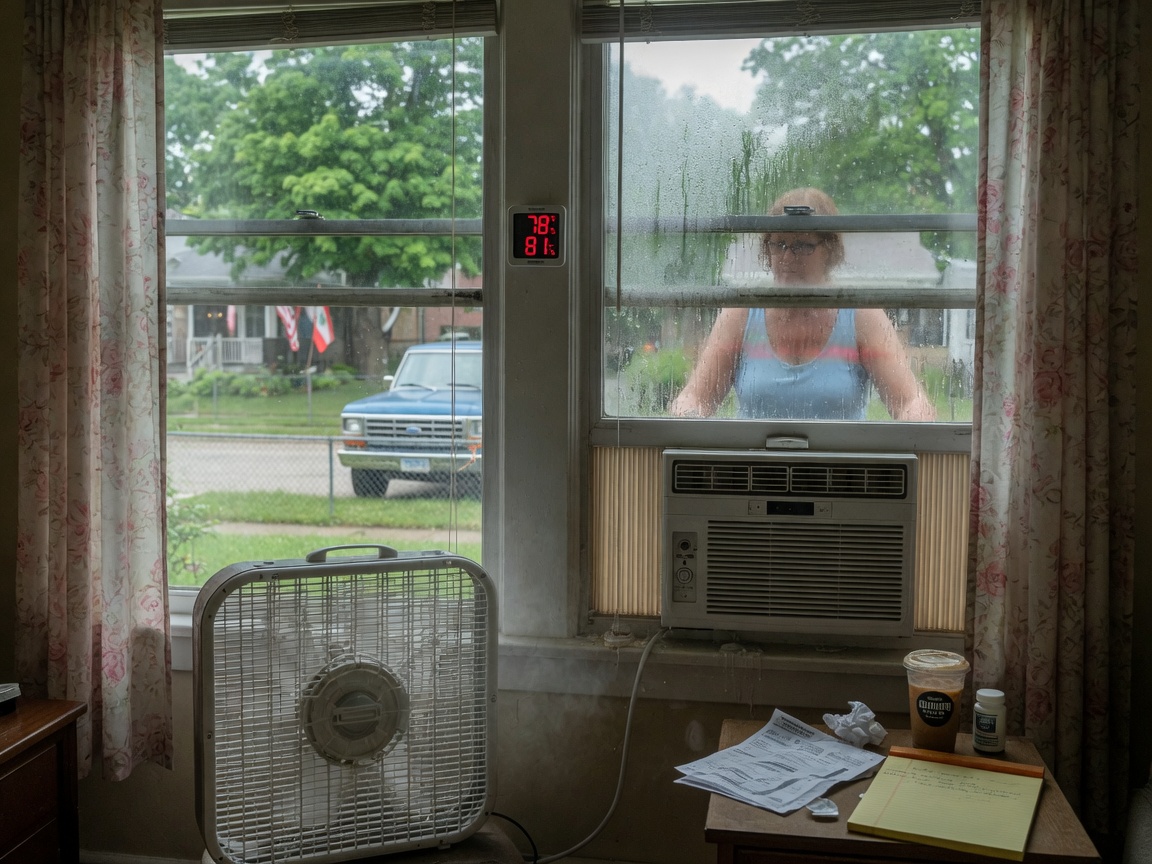
Dearborn humidity raises the moisture load on cooling systems during warm summers, requiring units to remove 30–50% more water vapor before indoor temperatures drop to comfortable levels. This process occurs because the area's humid continental climate delivers warm, moist air from nearby Detroit and Taylor, especially in July and August when dew points often exceed 65°F.
Humidity's Effect on AC Performance
In Dearborn homes, high relative humidity makes the evaporator coil work longer to condense moisture from the air. This extended runtime increases energy use and can shorten equipment life by 2–4 years compared to drier climates. Older housing stock common in Wayne County often lacks modern insulation and vapor barriers, allowing more humid air infiltration through attics and walls. As a result, systems sized for sensible cooling alone struggle to maintain 72–74°F indoors without running continuously. Residents in East Dearborn report that units cycle 20–30% longer on humid days than on drier ones with the same outdoor temperature.
Moisture Challenges in Local Neighborhoods
West Dearborn and Fordson neighborhoods feature many homes built before 1970 that retain more latent heat and moisture due to original single-pane windows and unsealed basements. These conditions force AC systems to handle higher latent loads, which reduces overall efficiency and raises the risk of coil icing when airflow is restricted. The flat terrain of Wayne County offers little natural drainage for summer storms, leaving standing water that further elevates local humidity levels for days afterward. Homeowners who schedule AC Maintenance before peak season often see steadier performance because clean coils and proper refrigerant levels allow better moisture removal. In contrast, neglected systems in similar homes near The Henry Ford can leave indoor humidity above 60% even while running.
Practical Impacts on Daily Cooling
When humidity stays elevated, thermostats must be set 2–3 degrees lower to achieve the same comfort level, driving up electricity costs. This effect appears most clearly in older Dearborn homes where ductwork runs through unconditioned attics and picks up additional moisture. Simple checks such as ensuring condensate drains remain clear prevent water backup that can damage equipment or foster mold. Linking maintenance to seasonal patterns helps because the transition from cool, wet springs to warm summers creates rapid humidity spikes that unprepared systems cannot manage efficiently. Readers facing repeated short cycling may benefit from reviewing Reducing Heating and Cooling Costs in Older Dearborn Homes for targeted upgrades that address latent loads without full replacement.
Long-Term Considerations for Dearborn Systems
Over multiple summers, constant high-moisture operation accelerates corrosion on coils and drain pans in local units. Homes near Greenfield Village or the Arab American National Museum often sit in slightly more shaded blocks that retain humidity longer after rain, extending daily runtimes. Proper airflow and filter changes remain essential because restricted circulation prevents the coil from reaching the dew point needed for effective dehumidification. Systems that also support winter heating benefit when components stay balanced year-round, avoiding the efficiency losses that appear once cold, snowy weather returns. Tracking indoor humidity with a simple meter provides concrete data that guides adjustments before problems compound.